The 8-Seat Problem
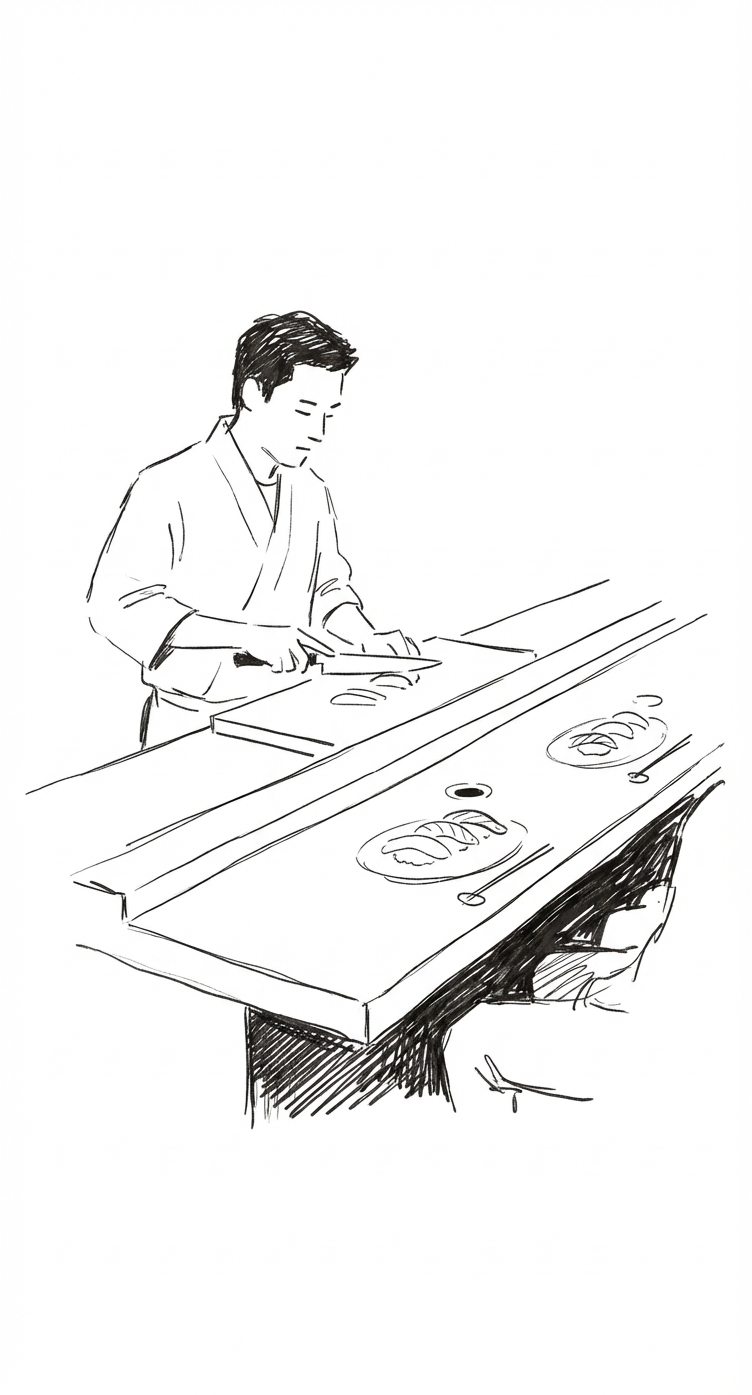
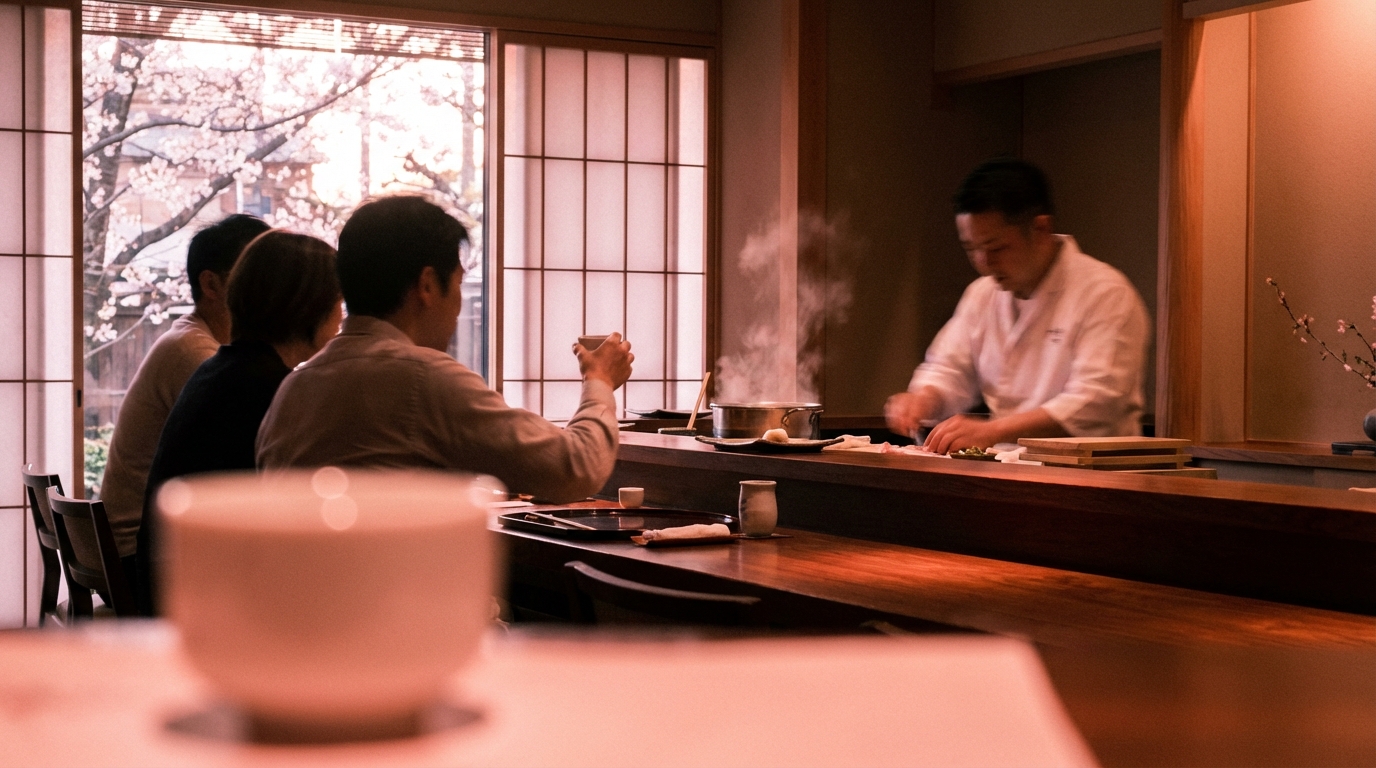
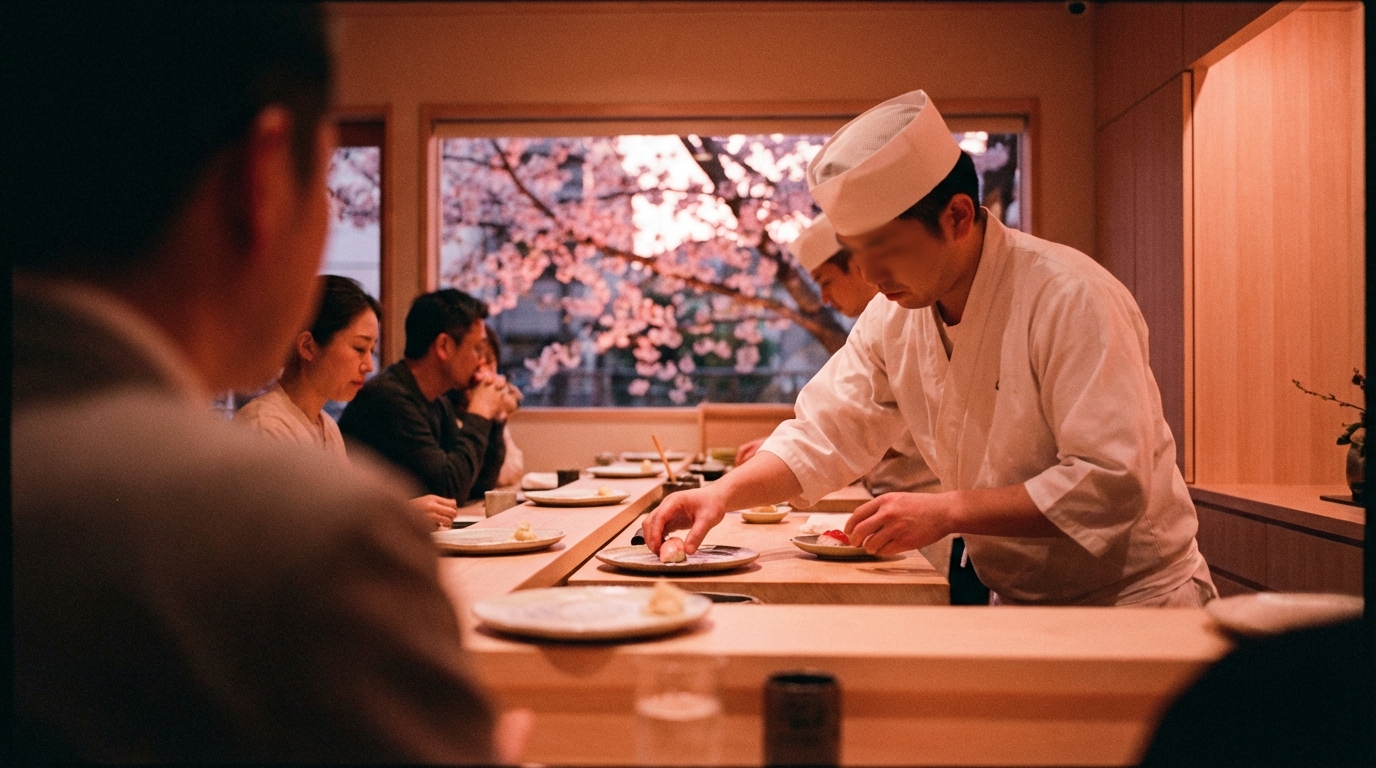
An empty seat at an omakase counter isn't just lost revenue — it's a broken rhythm. When Chef Tanaka prepares twelve courses for eight guests and only six show up, the math is brutal: $400+ in wasted ingredients, two courses prepared for no one, and a gap in the counter that changes the energy of the entire evening.
Unlike a 200-seat brasserie where a no-show dissolves into the crowd, every seat at an omakase counter is a commitment. The chef knows exactly how many pieces of toro to slice. The rice is portioned. The evening is choreographed.
average annual revenue lost to no-shows for a 10-seat omakase restaurant
— Japanese Restaurant Association, 2025
Why Standard Booking Systems Fail
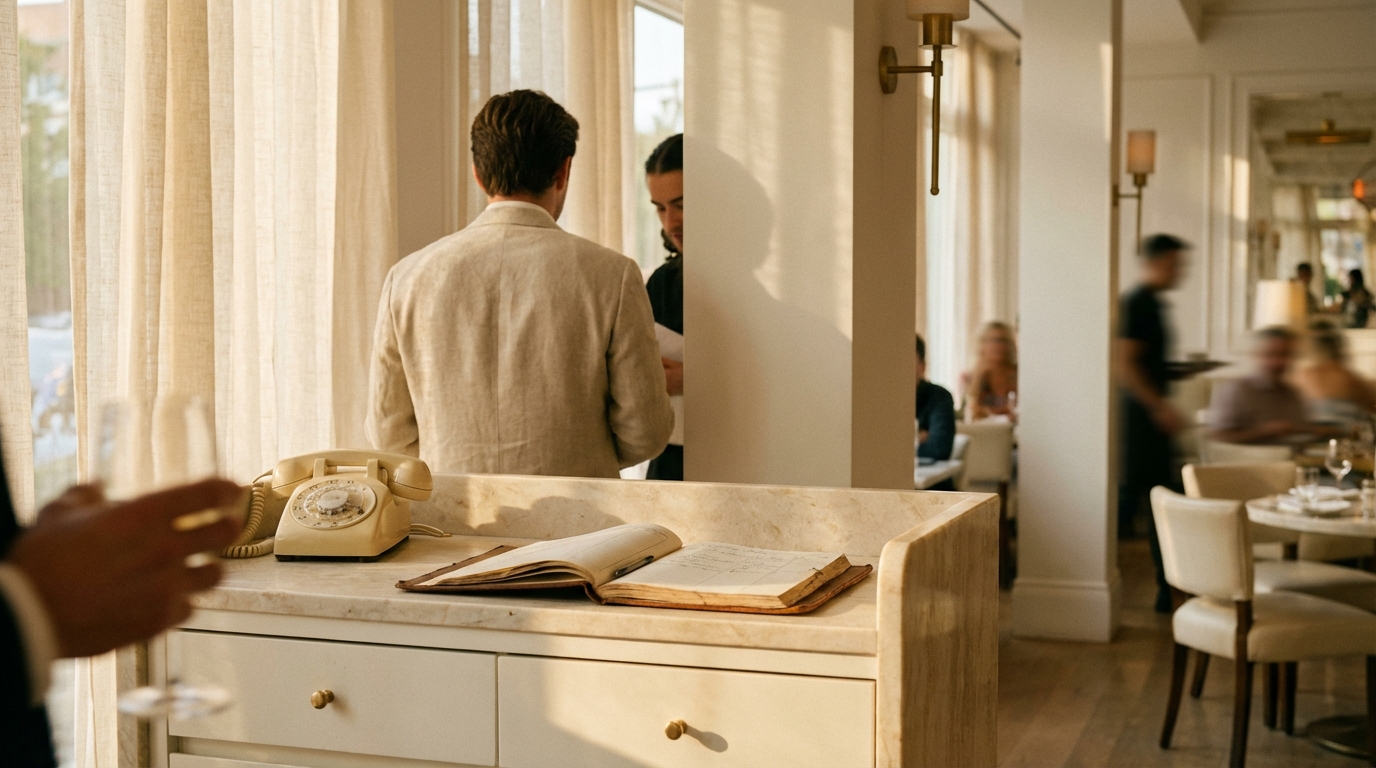
Most reservation platforms were built for casual dining. They handle the basics — date, time, party size — but miss everything that matters for an omakase experience:
- No allergy collection upfront. The chef finds out about a shellfish allergy mid-service, scrambling to substitute three courses
- No experience-level screening. A first-timer expecting California rolls sits down to a $300 nigiri progression and panics
- No occasion awareness. An anniversary couple gets seated next to a business dinner, killing the intimacy
- No deposit workflow. Without skin in the game, no-show rates for omakase hover around 15-20%
The result: chefs spend their prep time fielding phone calls instead of sourcing fish. Front-of-house staff become full-time reservation managers. And guests who would have been perfect for the experience never book because the process doesn't feel special enough.
The Booking as First Course
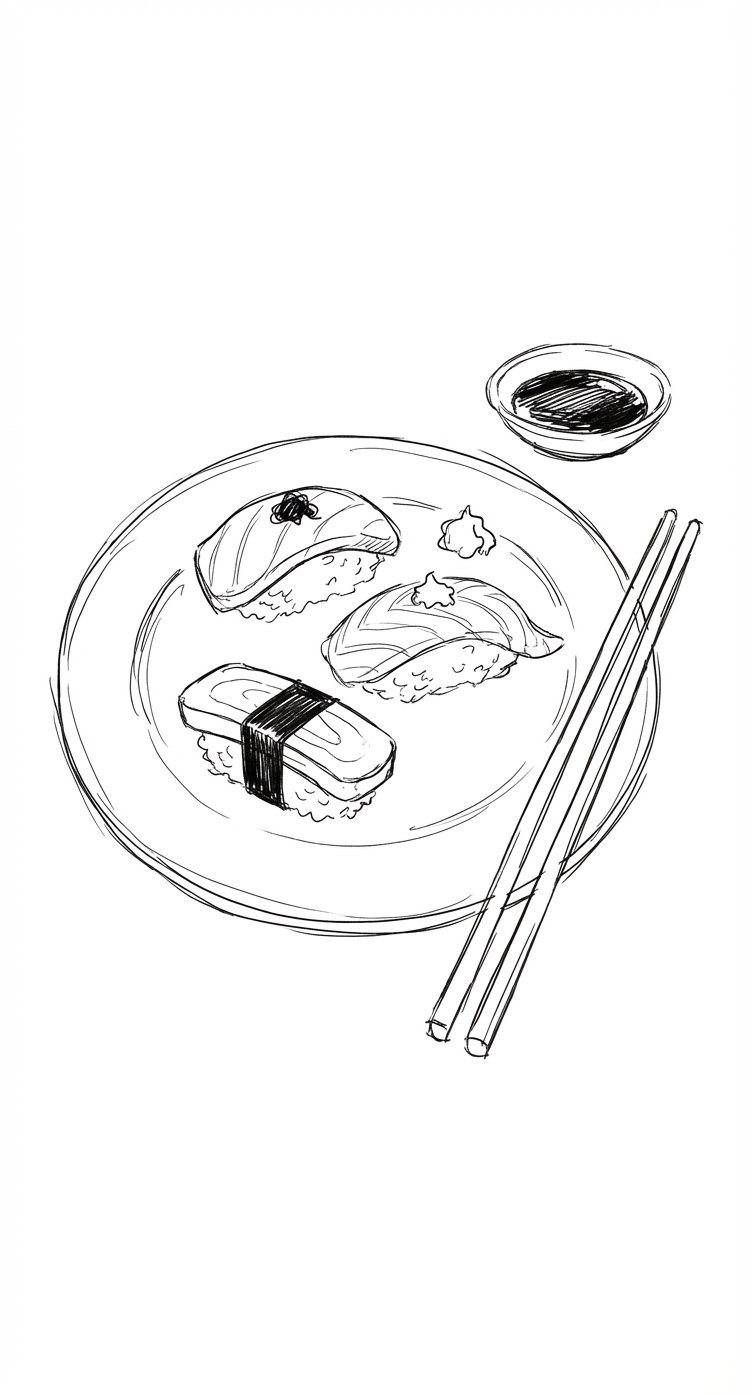
The best omakase restaurants have figured something out: the booking itself is part of the experience. When a guest reserves at a top omakase counter, they're not just picking a time slot. They're beginning a conversation.
Here's what a thoughtful omakase booking flow looks like:
- The basics — date, time, party size (with a note that counter seating is intimate)
- Dietary profile — allergies, restrictions, strong dislikes (no uni, for example)
- Experience level — first omakase? Regular? This determines how much explanation the chef provides during service
- Occasion — birthday, anniversary, business? Affects seating arrangement and pacing
- Sake pairing — opt-in for the curated pairing, or bring-your-own preference
- Deposit — non-refundable deposit collected at booking, applied to the final bill
Every answer feeds directly into the chef's preparation. By the time the guest sits down, the kitchen already knows: no shellfish, anniversary dinner, first omakase, wants the sake pairing. The evening is personalized before the first course arrives.
The No-Show Solution
Deposits alone cut no-shows by 60-70%. But the restaurants seeing near-zero no-show rates combine deposits with three other strategies:
Automated reminders with warmth
Not a cold "reminder: you have a reservation tomorrow" text. Instead:
"Good evening — Chef Yamamoto is looking forward to welcoming you tomorrow at 7pm. He's sourced a beautiful kinmedai from Tsukiji this morning. Please reply to this message if your plans have changed."
This does two things: it makes the guest feel anticipated (reducing guilt-free ghosting), and it opens a channel for last-minute cancellations that can be filled from the waitlist.
Intelligent waitlist management
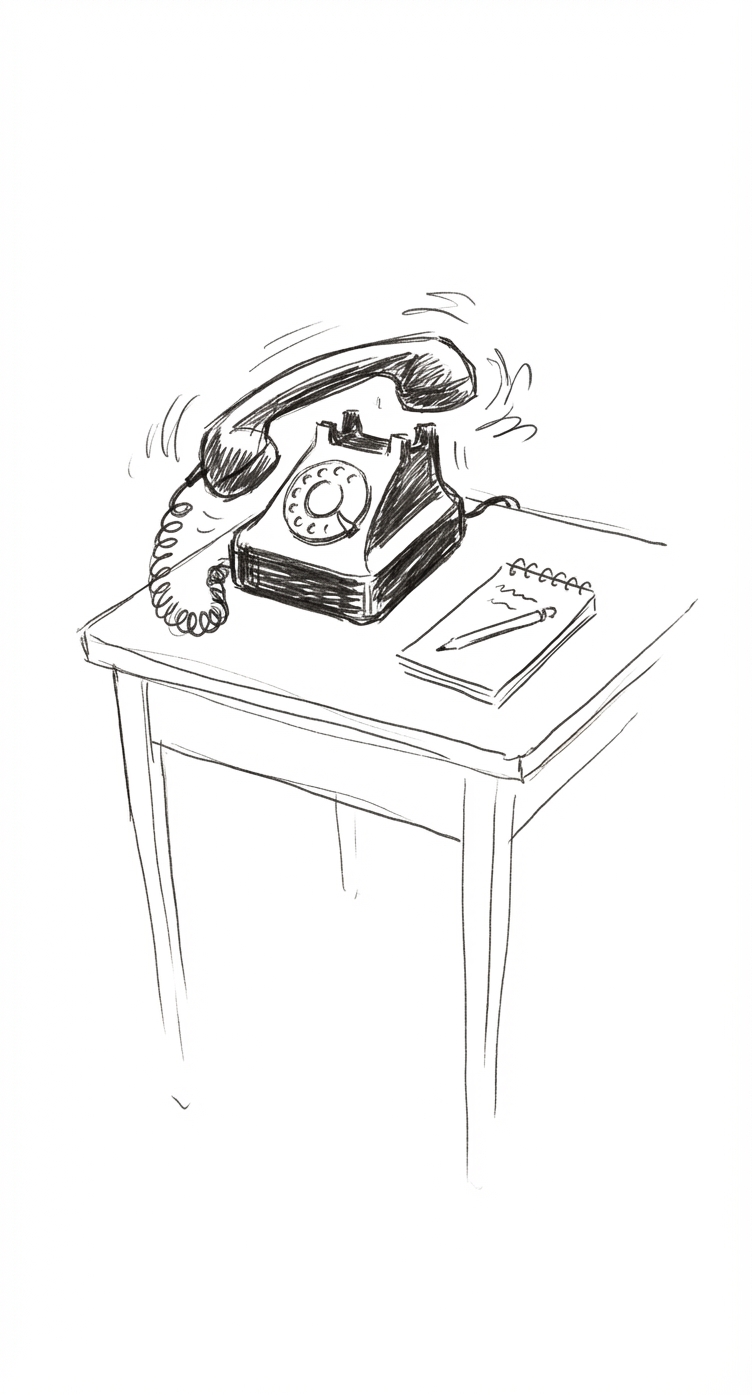
When a cancellation comes in 4 hours before service, the system automatically texts the top 3 waitlist guests: "A seat has opened tonight at 7pm. Would you like it? First to confirm gets it." The seat fills in minutes, not hours.
Guest memory across visits
Returning guests shouldn't have to re-explain their allergies. The system remembers: Mrs. Chen visited three times, allergic to crab, prefers counter seat 4 (closest to the chef), always orders the premium sake pairing, tips generously, and celebrates her anniversary every October.
When she books again, the form pre-fills. The chef gets a note: "returning guest, seat 4, no crab, anniversary month." This is the kind of hospitality that turns a $300 dinner into a lifelong relationship.
What AI Changes
AI doesn't replace the intimacy — it enables it at scale. Here's the shift:
Without AI, the host at a 10-seat omakase spends 2-3 hours daily managing reservations, answering calls about the menu, explaining the format to first-timers, and chasing no-shows. That's time stolen from the guest experience.
With an AI booking agent:
- Phone calls answered instantly — the AI explains the omakase format, collects dietary info, and processes the deposit in one conversation
- First-timer education — "Omakase means 'I'll leave it to you.' Chef Tanaka will prepare 12 courses based on the freshest fish available. The experience takes about 90 minutes. May I ask about any dietary restrictions?"
- Multilingual support — critical for restaurants in tourist destinations. The AI handles Japanese, English, Mandarin without the host needing to
- 24/7 availability — a guest in Tokyo can book a New York omakase at 2am EST without waiting for the restaurant to open
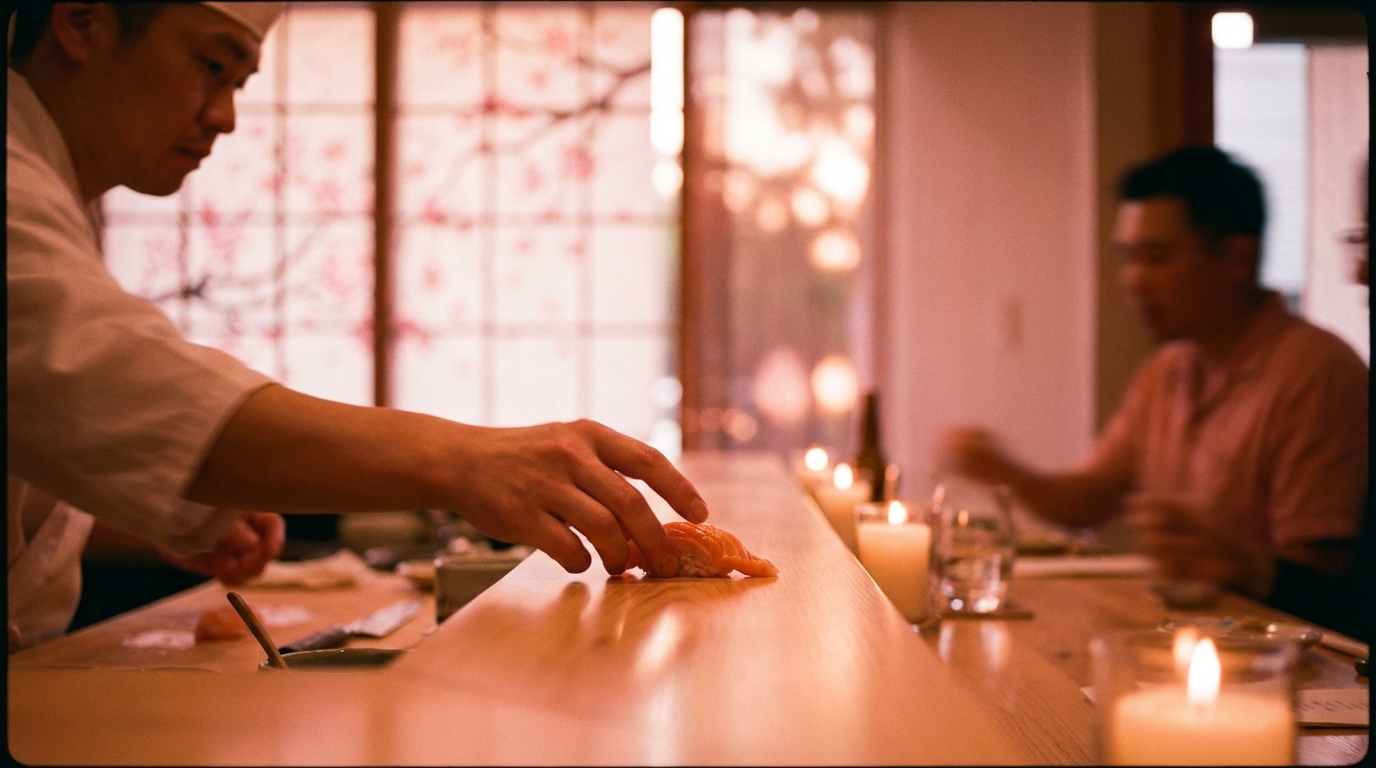
The chef goes back to doing what they do best: preparing fish. The host goes back to what they do best: making guests feel welcome when they walk through the door. The AI handles the logistics in between.
The Numbers
Omakase restaurants using AI-powered booking systems see measurable results:
- No-show rates drop from 15-20% to 2-4%
- Average booking time (for the guest) drops from 8 minutes to 3 minutes
- Allergy-related service disruptions drop by 90%
- Staff time on reservation management drops by 70%
- Waitlist conversion rate increases to 85% (up from ~30% with manual calling)
of omakase guests complete a detailed preference form when collected during booking
— Elyra customer data, 2026
For a 10-seat omakase at $250/head running two seatings per night, recovering even two no-shows per week means an additional $26,000 in annual revenue. The AI booking system pays for itself in the first month.
Beyond Omakase
Every restaurant with a strong point of view can learn from this model. The principle isn't specific to sushi — it's universal: the more you know about your guest before they arrive, the better the experience you can deliver.
A farm-to-table restaurant can ask about flavor preferences. A wine bar can ask about varietals they enjoy. A tasting-menu restaurant can ask about courses they've had before. The booking becomes a conversation, not a transaction.
The restaurants that figure this out first will build the strongest guest relationships — and the fullest dining rooms.